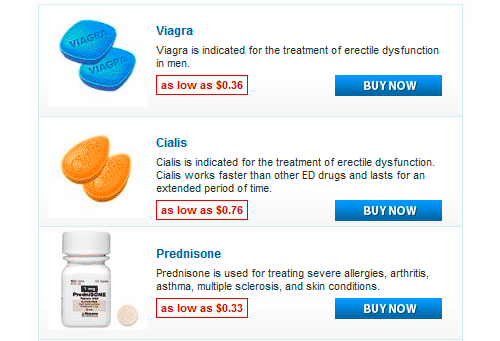

Experiencing consistent difficulty achieving or maintaining an erection sufficient for satisfactory sexual intercourse? This is a common symptom of erectile dysfunction (ED).
Other symptoms may include reduced libido, difficulty achieving orgasm, and inability to maintain an erection long enough for intercourse. These problems can significantly impact your confidence and relationships.
Several factors contribute to ED. Underlying health conditions like diabetes, heart disease, and high blood pressure frequently play a role. Smoking damages blood vessels, impairing blood flow crucial for erections. Obesity similarly restricts blood flow. Mental health issues, such as stress, anxiety, and depression, can also affect erectile function.
Certain medications, including some antidepressants and blood pressure drugs, list ED as a possible side effect. Alcohol and drug abuse also contribute to ED.
It’s vital to consult a doctor for diagnosis and treatment. A thorough medical history, physical examination, and potentially blood tests will help determine the underlying cause. Treatment options include lifestyle changes (diet, exercise, stress reduction), medication, and sometimes, surgery.
Early intervention and proper diagnosis can greatly improve your sexual health and overall well-being. Don’t hesitate to seek professional medical help.