Erectile dysfunction (ED) involves difficulty achieving or maintaining an erection firm enough for satisfactory sexual intercourse. Several factors contribute.
Physical Causes
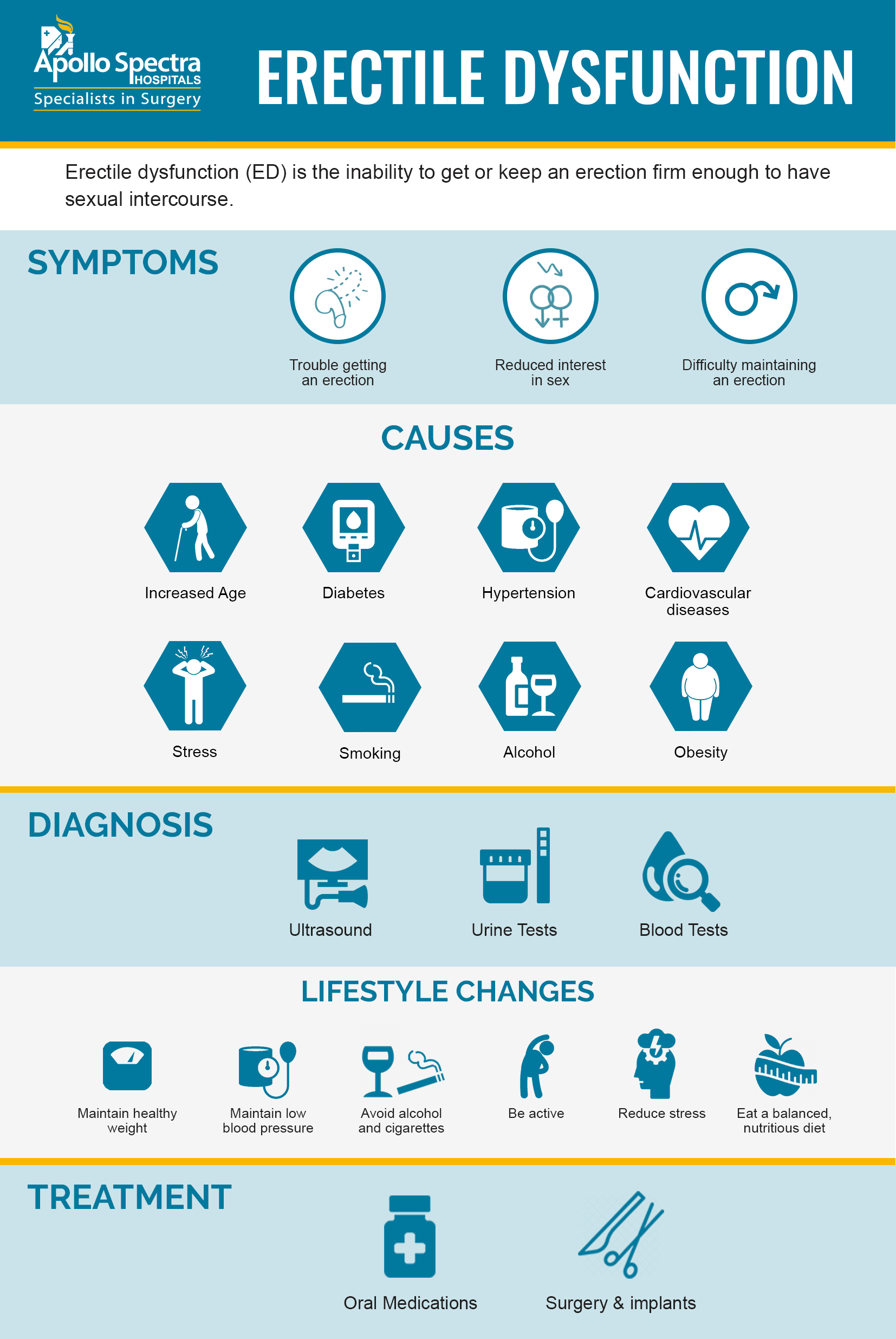
Underlying health conditions play a significant role. Diabetes significantly increases ED risk; high blood pressure and high cholesterol damage blood vessels, hindering blood flow to the penis. Cardiovascular disease, including heart failure and stroke, similarly impact blood flow. Prostate surgery or treatments for prostate cancer frequently cause ED as a side effect. Neurological disorders like multiple sclerosis can interfere with nerve signals controlling erections. Hormonal imbalances, particularly low testosterone, reduce libido and erection capability. Smoking damages blood vessels, while obesity increases the risk of many ED-contributing conditions. Medication side effects, such as those from antidepressants or blood pressure medications, may also trigger ED.
Psychological Causes
Mental health significantly impacts sexual function. Stress, anxiety, and depression directly affect the nervous system’s ability to initiate and maintain erections. Relationship problems or performance anxiety can create a vicious cycle of fear and failure. Past trauma can also contribute to ED.
Recognizing the Symptoms
Consistent difficulty achieving an erection is the primary symptom. This can range from occasional problems to complete inability. Difficulty maintaining an erection during intercourse is another key sign. Reduced libido, or decreased sexual desire, often accompanies ED, but isn’t always present. Problems with ejaculation can also be a related issue.
Addressing ED often involves treating underlying conditions and adopting lifestyle changes. Consult a doctor for diagnosis and a personalized treatment plan.