Consult your doctor; they’ll help determine the best approach for you.
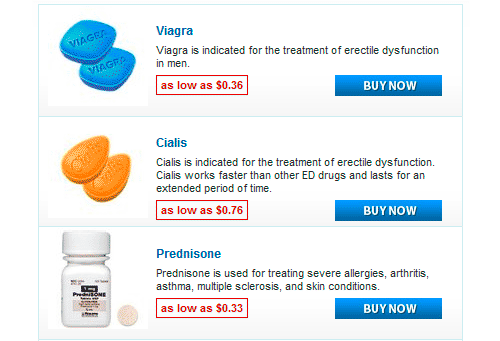
Medication is often the first line of defense. Phosphodiesterase-5 (PDE5) inhibitors like Viagra, Cialis, and Levitra increase blood flow to the penis. These are generally well-tolerated, but potential side effects include headaches, flushing, and nasal congestion. Your doctor can discuss these and other potential drug interactions.
- Viagra (sildenafil): Fast-acting, typically effective within 30-60 minutes. Cialis (tadalafil): Longer-lasting effects, can be taken daily. Levitra (vardenafil): Similar to Viagra, but may be a better option for certain individuals.
Beyond oral medications, consider other avenues. These include:
Penile injections: These medications directly increase blood flow. This method provides direct action but may involve some discomfort. Vacuum erection devices: These devices create a vacuum to draw blood into the penis. They are a non-invasive option, but may not be suitable for everyone. Penile implants: These surgically implanted devices offer a permanent solution for severe cases. This is generally reserved for situations where other treatments have failed. Lifestyle changes: Regular exercise, a balanced diet, and stress management techniques can significantly improve erectile function. Addressing underlying conditions such as diabetes or heart disease is also crucial. Counseling: Psychological factors, including anxiety and depression, can contribute to ED. Therapy can help address these underlying issues.
Remember, treatments vary in effectiveness depending on individual circumstances and underlying health conditions. Open communication with your doctor is key to finding the right solution for you.